The Ultimate Guide to Choosing the Perfect Hiking Backpack


Hiking is an exhilarating outdoor activity that allows us to explore beautiful landscapes and reconnect with nature. Whether you're a seasoned hiker or a beginner looking to embark on your first adventure, one essential item you need is a hiking backpack. A sturdy and reliable backpack not only keeps your belongings organized but also provides comfort and support during long treks. With countless options available in the market, choosing the perfect hiking backpack can seem like a daunting task. Fear not! In this comprehensive guide, we will walk you through everything you need to know to make an informed decision and find the ideal hiking backpack that suits your needs. From understanding key features to considering factors such as capacity, size, comfort, and durability, we'll help you navigate through the overwhelming choices and ensure that you find a backpack that enhances your hiking experience. So lace up your hiking boots and let's dive into the world of hiking backpacks!
Factors to Consider
When choosing the perfect hiking backpack, there are several important factors that you should consider. These factors will help ensure that you select a backpack that meets your specific needs and preferences. Here are three key factors to consider:
Capacity: The capacity of a hiking backpack refers to the volume of space available to carry your belongings. It is important to choose a backpack with a capacity that matches the length and duration of your hikes. For day hikes, a smaller backpack with a capacity of around 20-35 liters may be sufficient. However, for multi-day hikes or camping trips, a larger backpack with a capacity of 50 liters or more may be necessary to accommodate your sleeping bag, tent, cooking gear, and additional clothing.
Fit and Comfort: It is crucial that your hiking backpack fits properly and is comfortable to wear, especially during long hikes. Look for backpacks that come in different sizes or have adjustable straps to ensure a proper fit. Consider the length of the backpack's torso, as well as the padding and breathability of the shoulder straps and back panel. A well-fitted backpack will distribute the weight evenly across your shoulders and hips, reducing strain on your body and allowing for a more enjoyable hiking experience.
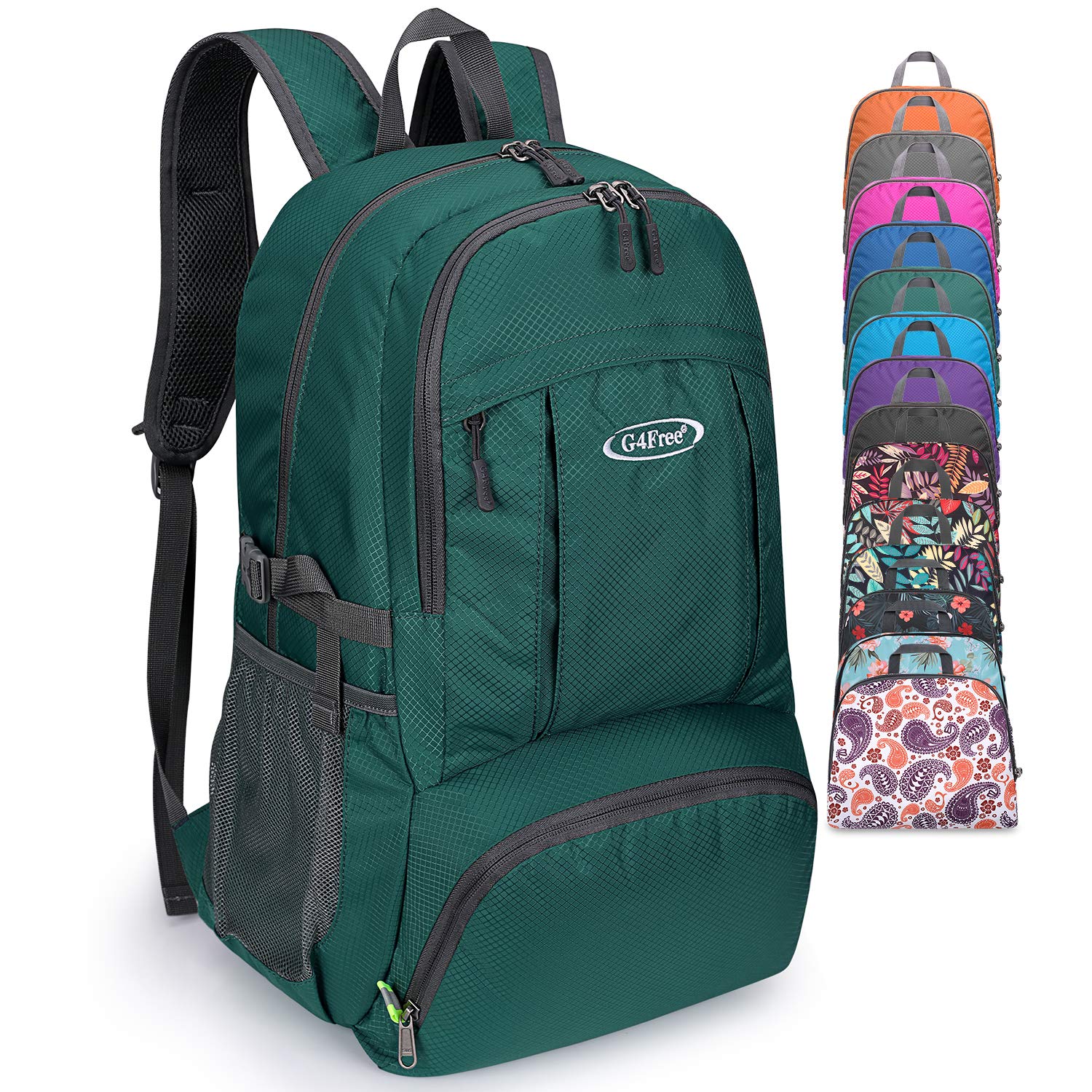
Features and Accessibility: Consider the features and accessibility options offered by different hiking backpacks. Look for backpacks with multiple compartments and pockets, as these will help you organize and access your gear more efficiently. Pay attention to the closure system, such as zippers or buckles, and consider whether they are easy to use and secure. Additionally, features like hydration bladder compatibility, adjustable hip belts, and external attachment points for gear, such as trekking poles or ice axes, can enhance the functionality of your backpack.
Remember, taking the time to carefully consider these factors will greatly increase your chances of choosing the perfect hiking backpack that suits your needs, provides comfort on your adventures, and enhances your overall hiking experience.
2. Types of Hiking Backpacks
When it comes to choosing a hiking backpack, it's important to understand the different types available. Each type offers unique features and benefits suited for specific hiking adventures.
Daypacks: Daypacks are perfect for shorter hiking trips or when you only need to carry the essentials. These back packs typically have a capacity of 20 to 35 liters, providing enough space for snacks, water, a camera, and extra layers of clothing. They are lightweight and designed to offer maximum comfort during day hikes.
Overnight Backpacks: If you plan on spending one or two nights outdoors, an overnight backpack is ideal. These backpacks have a capacity ranging from 30 to 50 liters, allowing you to pack additional gear, such as a sleeping bag, tent, and cooking equipment. They often come with external attachment points for trekking poles or ice axes.
Multiday Expedition Packs: For longer hiking trips or expeditions lasting several days, a multiday expedition pack is necessary. These larger backpacks have a capacity of 50 liters or more, providing ample space for all your gear and supplies. They feature multiple compartments and pockets to keep your items organized and easily accessible, and often come with a sturdy frame and comfortable padding.
Remember, choosing the right hiking backpack depends on the duration of your hike, the amount of gear you need to carry, and your personal preferences. Take the time to try on different backpacks, ensuring a proper fit and comfort for those long hikes in the great outdoors.
3. Choosing the Right Size
When it comes to selecting the perfect hiking backpack, one of the most crucial factors to consider is the size. Getting the right size will ensure that you have enough room to carry all your essentials without feeling burdened or restricted during your hiking adventures.
Before purchasing a hiking backpack, take note of your torso length. This measurement is vital as it determines the ideal backpack size that will fit you comfortably. To measure your torso length accurately, simply use a flexible tape measure and start from the base of your neck to the top of your hipbone. Knowing your torso length will help guide you in selecting a backpack that aligns with your specific body size.
Additionally, consider the capacity of the backpack. The capacity refers to the volume of space inside the backpack and is measured in liters. The right capacity depends on the duration of your hikes and the amount of gear you typically carry. For day hikes, a backpack with a capacity of 20-30 liters should suffice, while multi-day hikes may require a larger capacity of 40-70 liters or more.
Lastly, don't forget to take into account the adjustability of the backpack. Opt for a hiking backpack that allows you to adjust the straps and harness system to achieve a personalized fit. This ensures that the weight of the backpack is evenly distributed and reduces strain on your shoulders, hips, and back.
Choosing the right size hiking backpack will greatly enhance your overall hiking experience by providing comfort, convenience, and a well-organized storage solution for all your hiking essentials.